This Founder Is Betting on the One Thing Podcast Listeners Say They Hate!
Jellypod co-founder Pierson Marks explains why AI voice podcasting is booming despite listener scepticism — use cases, pricing, and how two founders serve 75,000 users.

By Jim James, The UnNoticed Entrepreneur
Recent research by Edison found that the least popular application of AI in podcasting is voice. Audiences don't mind AI show notes or AI-generated thumbnails — but synthetic voice is where they draw the line.
So why is Pierson Marks building an entire business on it?
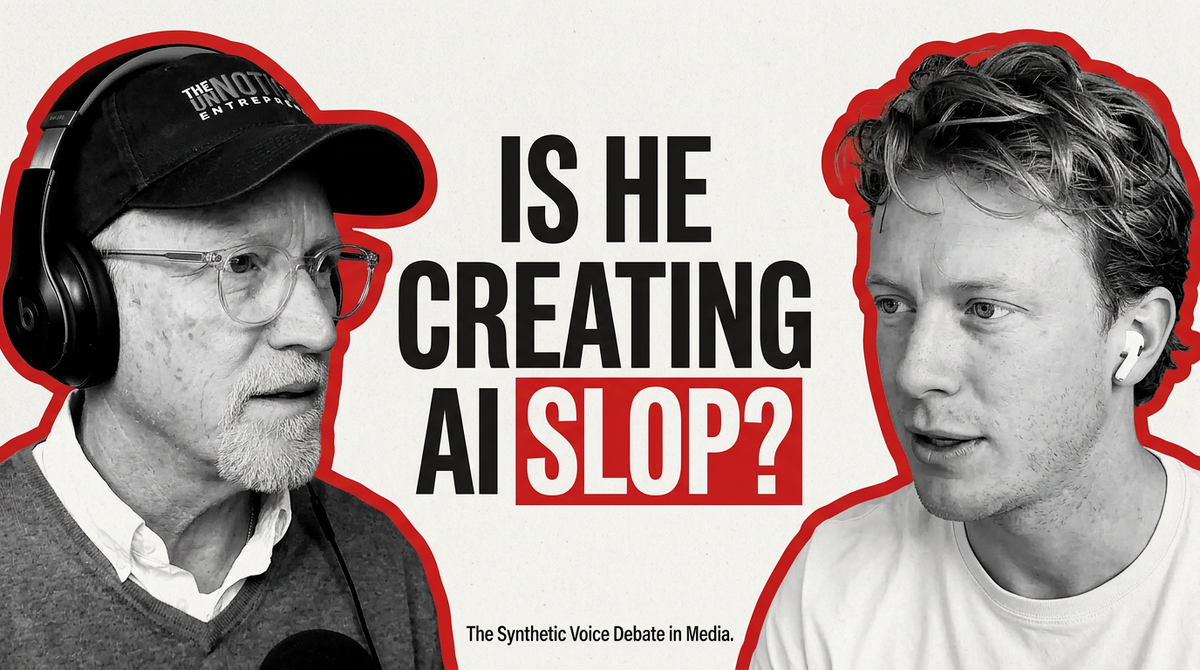
Pierson is the co-founder of Jellypod, the San Francisco-based AI podcast studio. I've been using the platform myself, and I invited him onto The UnNoticed Entrepreneur to explain why he's running headlong at the one thing the research says listeners reject — and how two co-founders are producing an astounding amount of work at remarkable quality.
The "deception" problem isn't what it seems
Pierson doesn't dismiss the resistance to AI voice. He thinks it's fair — and he names the real issue precisely: deception.
"Audio is something that's very human," he told me. "When you feel deceived, that's what listeners feel right now... can you trust it in an era of misinformation?"
But he believes that's the wrong premise. The objection isn't to synthetic audio itself — it's to being misled. He's confident a decent number of big podcasts already use AI voice fully or partially, and audiences simply don't notice. "People want something that sounds good, that they engage with, that they feel like it's not a waste of time... AI slop comes around when it's low quality, inauthentic content. It could be a bad human podcast too."
We've been here before. Toy Story was the first feature-length computer-animated film, and nobody refused to watch it because no humans were filmed. If the story is good, the production method stops mattering. Pierson believes voice will follow exactly the same path.
Take a break - listen to the podcast
The real opportunity: people who would never record
Here's the insight that reframes the whole debate. Jellypod isn't competing with Joe Rogan or Huberman. Nine times out of ten, content created on the platform is something that would never have existed otherwise.
Two of his users illustrate this perfectly.
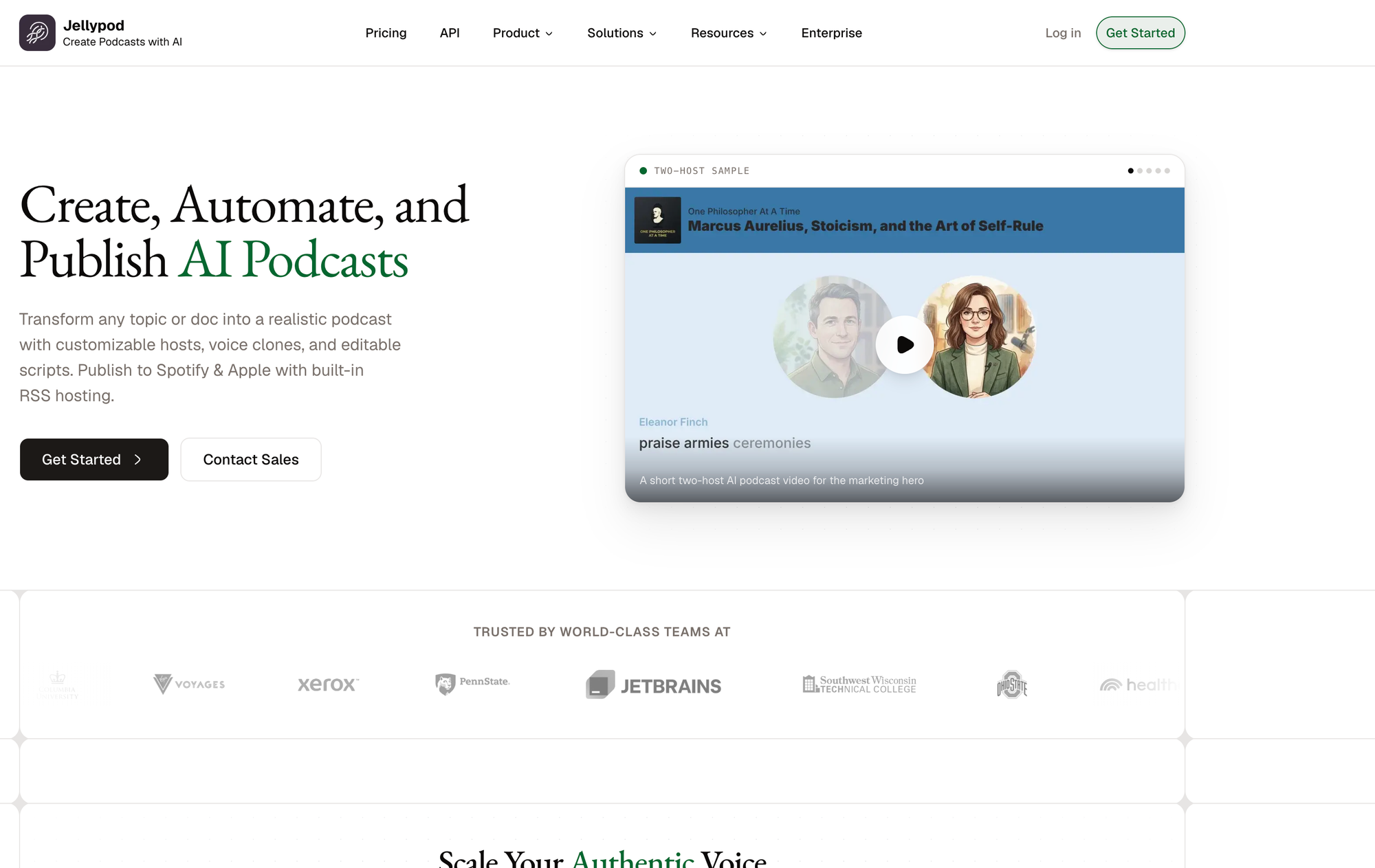
The professor. Steve Denunzio teaches logistics at Ohio State University. Every week he pulls the latest logistics news into Jellypod and produces a ten-minute podcast for his MBA students — a voice clone of himself alongside an AI co-host named Ellie. He calls it flipping the classroom. His students love the characters so much he's asked whether he can do a live show with his AI host.
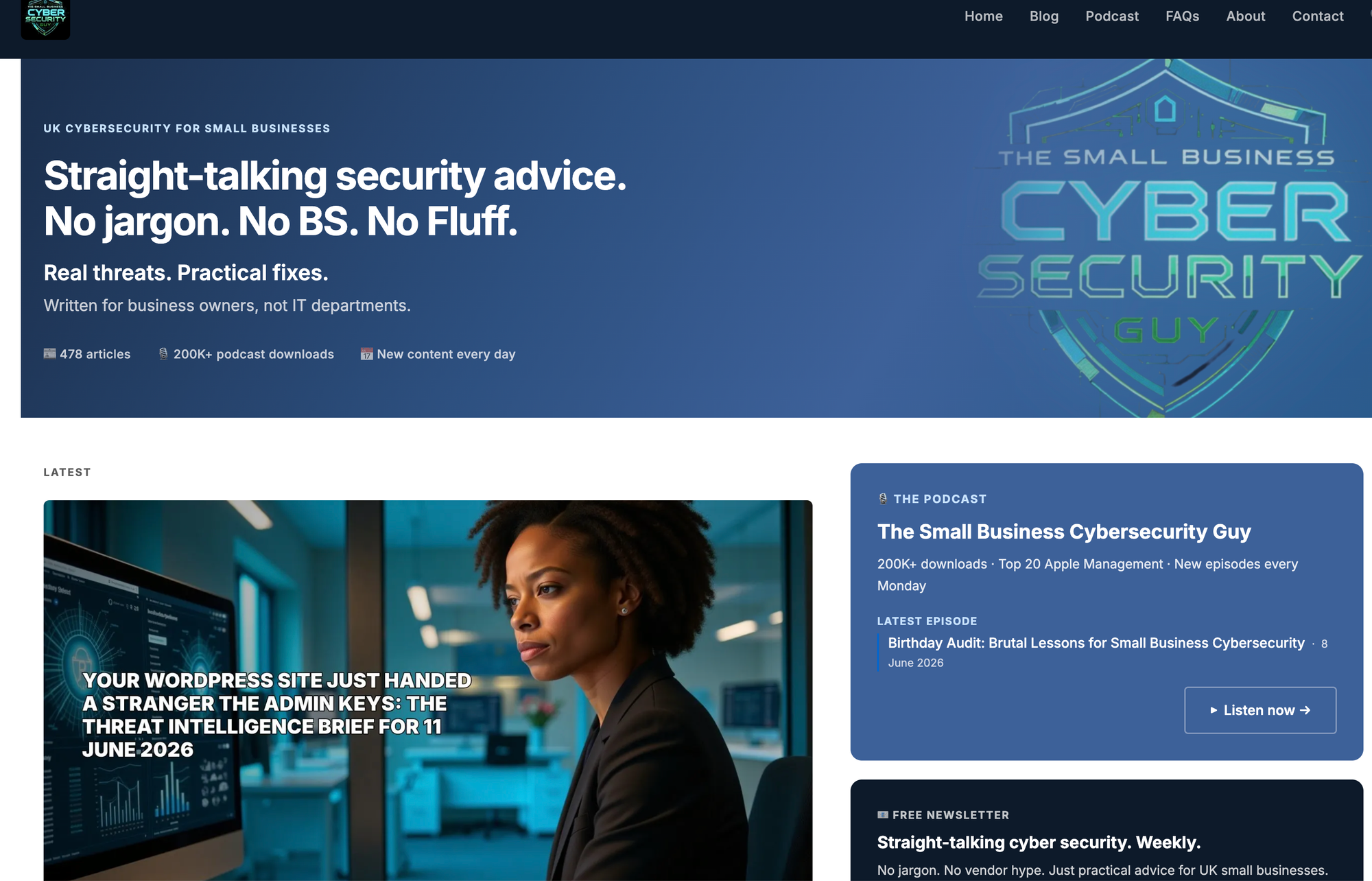
The cybersecurity guy. Noel Bradford runs The Small Business Cybersecurity Guy, a UK-focused show that now attracts around 100,000 monthly listeners. He has decades of expertise but a full-time job — he would never have booked a studio, recorded, and edited a show "in a million years," as Pierson put it. Jellypod let him share that knowledge without ever getting behind a microphone.
My own use case is similar: a local news podcast for Wiltshire, using my cloned voice plus a synthetic co-host, because no chamber member or councillor ever had time to come into a studio.
This is the point critics of "AI slop" miss. These shows aren't replacing human podcasters. They're net-new voices that simply wouldn't exist otherwise.
How it works: live in twenty minutes
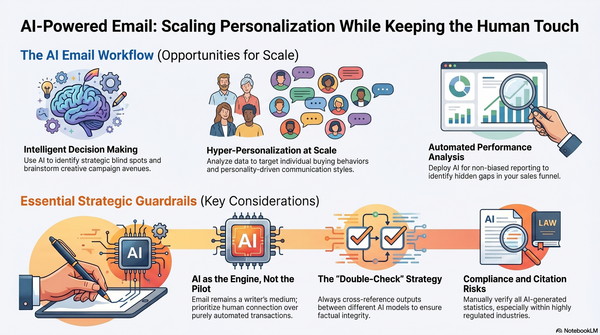
Jellypod's workflow is three steps, and the goal is your first episode live within twenty minutes:
- Create your hosts. Each host has a name, a backstory, and a voice — clone your own or pick from the library. All three shape how they talk.
- Create your series. The umbrella for your episodes: name, topic, format.
- Create an episode. Drop in documents, links, blog posts, or just a prompt — "make this seven minutes, focus on these points" — and click go.
Jellypod generates the script first, so you can edit before it renders the audio. As Pierson puts it: "We want to help you get eighty, ninety percent of the way there as quickly as possible, and you come in as the editor-in-chief."
Two newer features stand out. Deep research: give it a prompt like "create a six-minute podcast on the latest San Francisco news" and it searches the web, pulls sources, and builds the episode itself. And automations: set a recurring show — every morning at 9 a.m., say — and Jellypod researches, scripts, produces, and either publishes automatically or holds a draft for your review.
Distribution is built in: every show gets its own website and RSS feed, so episodes flow straight to Spotify and Apple Podcasts. YouTube still needs a manual download-and-upload, but they're getting there.
The voices come from partnerships with leading labs like ElevenLabs and Google's Gemini. "We let the pros handle that," Pierson says. Jellypod's edge is the podcast workflow itself — and having tried the alternatives, I can tell you nobody has understood that workflow better.
The economics: roughly $5 a show
Pricing runs on credits — one credit per second of audio. The starter tier is $30 a month for 5,000 credits, which is about nine ten-minute episodes. Call it $5 per fully produced, distributed show.
Compare that with hiring an editor at $15 an hour, or two to three hours of your own time per episode. The automation features make hyper-local, hyper-niche shows economically viable for the first time — shows that might only generate $50–100 a week in advertising could never justify the old production model.
Two people, 75,000 users
Since launching the studio in 2024, Jellypod has attracted over 75,000 users and more than 100,000 distinct podcasts. The team is two people: Pierson and his co-founder Bilal, whom he met through the AI Tinkerers engineering community.
How? AI agents writing code. "What one person can do is almost in the order of what a hundred people can do," Pierson says. "As long as you have clarity in the vision, we're able to parallelise work across these AIs that are writing the code for us." That's only become possible in roughly the last six months.
Pierson started Jellypod in 2023 after working on Amazon's Alexa team. The original product — a personalised daily podcast built from your email newsletters — was too early and too expensive per user. The pivot to a creation studio flipped the economics: instead of one podcast per listener, one creator distributes to thousands.
His advice for entrepreneurs
Pierson borrows from Marc Andreessen: AI isn't replacing jobs, it's replacing tasks — freeing you for the higher-leverage half of your work. And his advice for founders is the opposite of doom and gloom:
"The problems that recently were very, very hard might be the best problems to go after. Things people thought would take a million or a billion dollars to solve might be possible for a small team. The playing field's wide open, and it's the best time to be a startup."
The takeaway
The Edison research isn't wrong — listeners hate bad, deceptive AI content. But they always hated bad content. What Jellypod proves is that synthetic voice, with a human editor-in-chief in the loop, opens podcasting to professors, practitioners, and entrepreneurs who would never otherwise press record.
A footnote from my own experience: listeners of my Jellypod-produced show weren't sure whether it was me or my synthetic voice. They thought the podcast sounded a bit smarter — so it must have been the clone.
Watch the show here
You can find Pierson Marks on LinkedIn and X, or at piersonmarks.com.

Click the link to try Jellypod for Free