Top 10 Tools for Collecting Testimonials and Recommendations in 2026
This article looks at some of the best tools that you can use to gather and share testimonials for your business, and the impact on SEO of doing so.


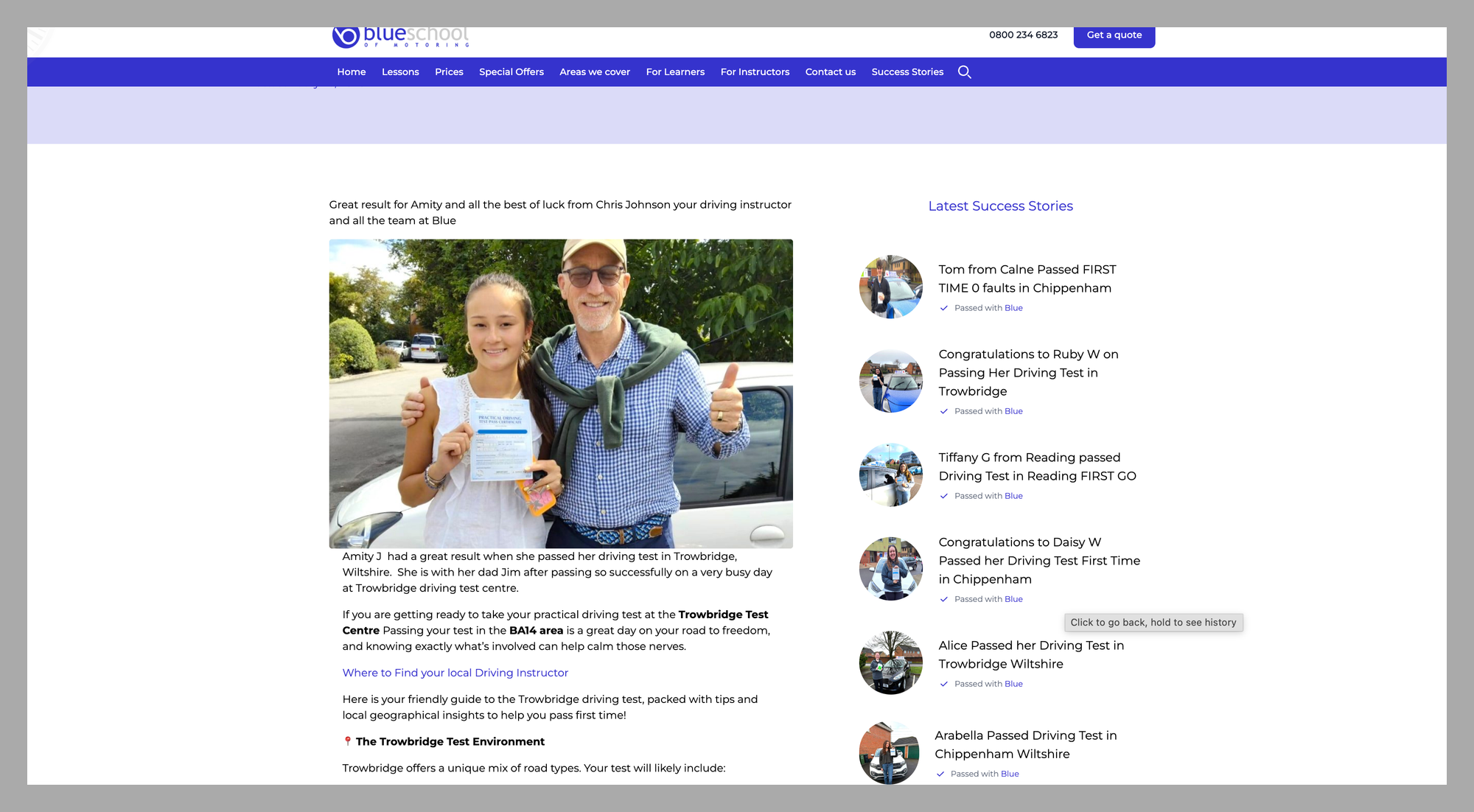
When my 18 year old daughter Amity passed her driving test, our whole family was thrilled, and so was the Blue School of Motoring. We had just become another likely testimonial. Within a week of her passing, I was sent a polite email asking if I could post a testimonial to Facebook, Google Reviews, and TrustPilot.
Then this week I started helping a client to sort out their Linkedin profile. And I realized just how few entrepreneurs really manage their 'social proof' well. I was reminded of an early podcast that I did with a company called "Gather Voices" - a pioneer in the space. But as they are really about community based content I've left them out of this article.
This article looks at 10 of the best tools that you can use to gather and share testimonials for your business, and the impact on SEO of doing so.
In case you would rather I take you through this as a podcast.
Plus a bonus - the 11th that you need - a meta review platform which collects reviews from many places and displays them into one feed; that's the way to consolidate multiple feeds.
[list of all the links at the end of the article to avoid distraction].
1. Google Reviews
The cornerstone of local business reputation. Google Reviews appear directly in search results and Google Maps, making them one of the most visible forms of social proof. Customers can leave text reviews and star ratings, and businesses can respond to build engagement. Free to use, and essential for any business with a physical location or local service area.
2. Trustpilot
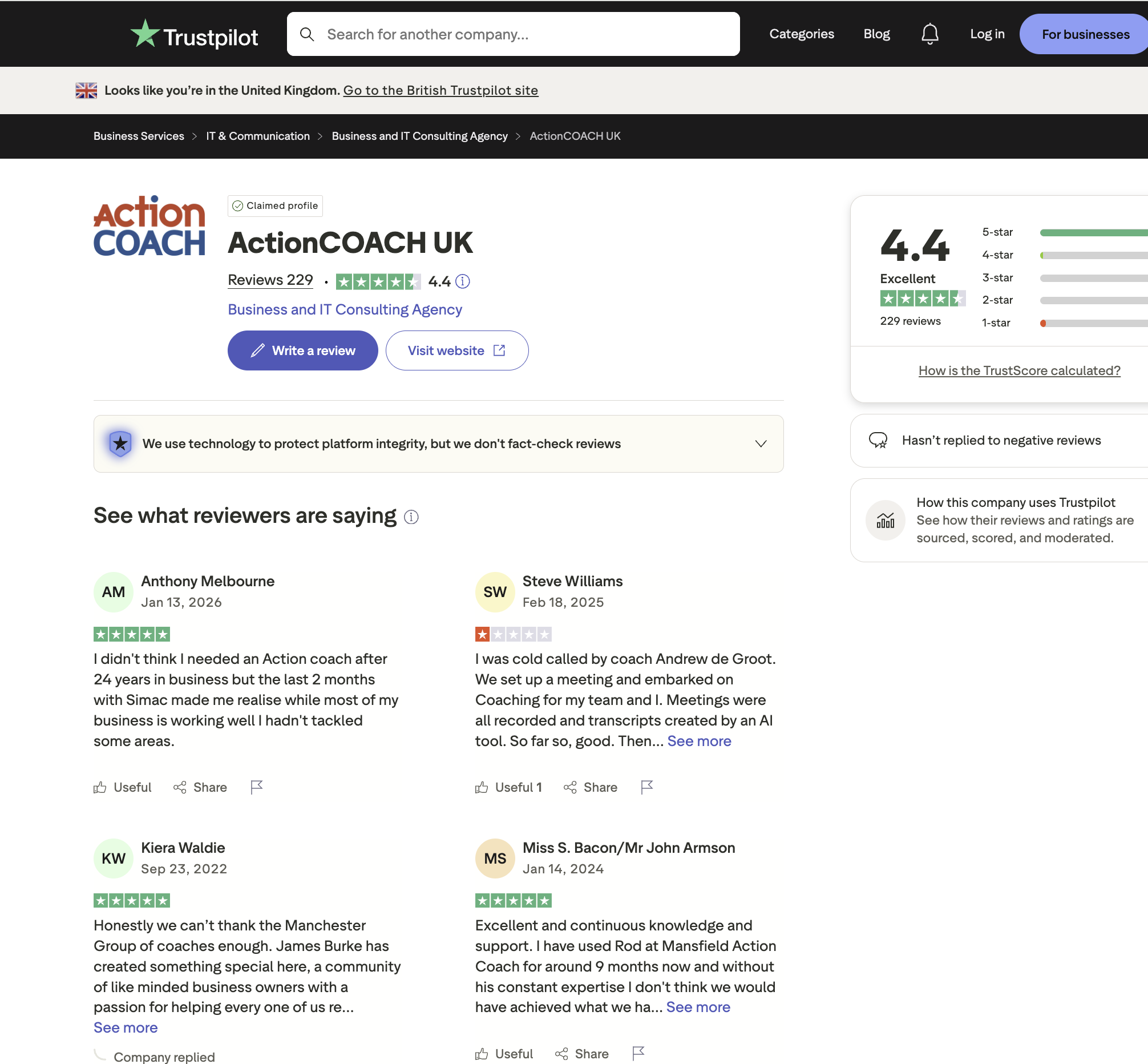
One of the most recognized third-party review platforms globally. Trustpilot provides verified customer reviews with TrustScores that appear across the web, including in Google search results. The platform offers review collection tools, customizable widgets for your website, and detailed analytics. Used by over 800,000 businesses worldwide, it's particularly strong for e-commerce and B2C companies.
3. Testimonial.to
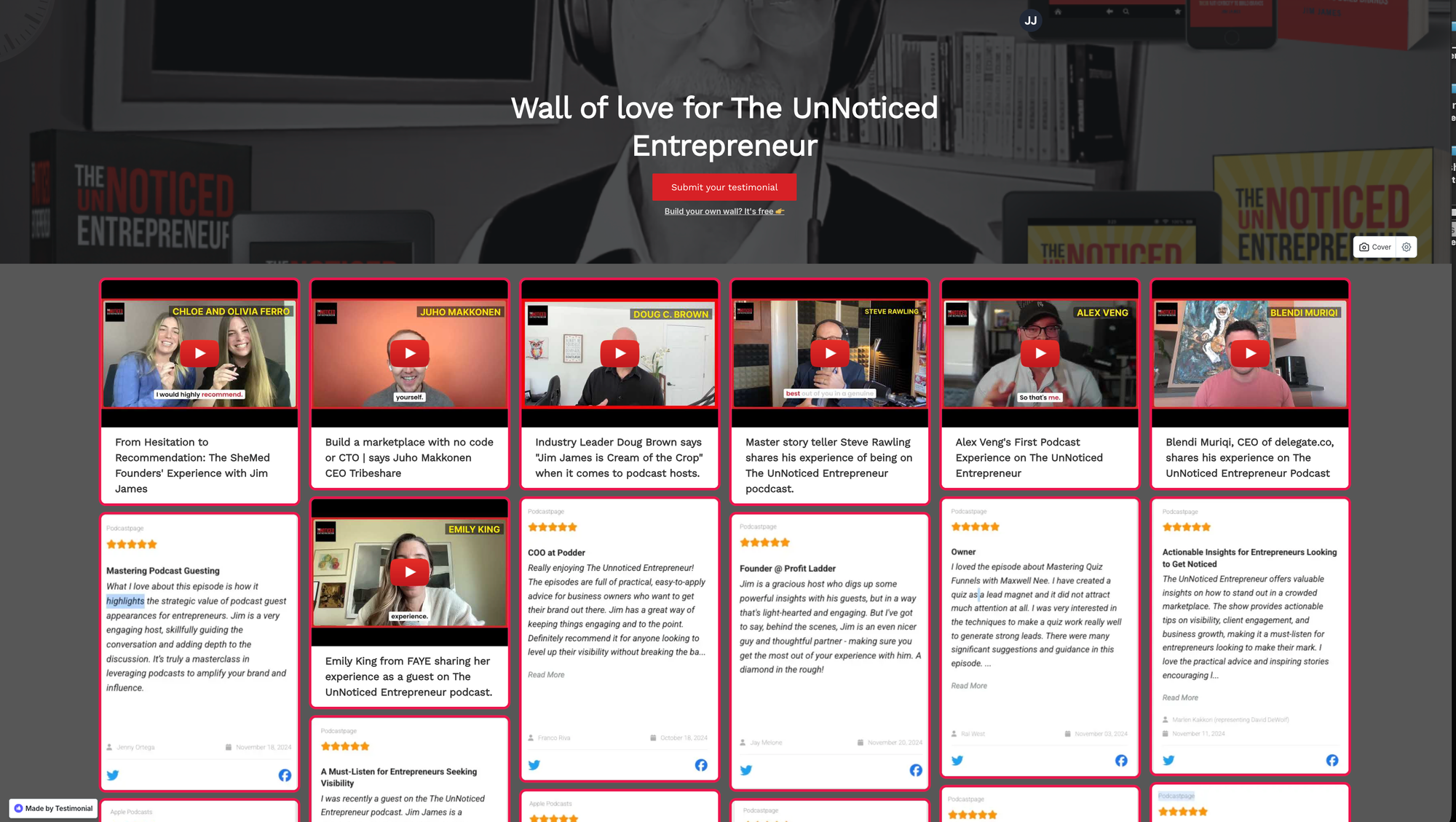
A modern, AI-powered platform designed specifically for collecting video and text testimonials with minimal friction. Customers can record video testimonials directly from their browser or phone, and you can create a "Wall of Love" to display them. The tool includes features like automatic transcription, easy embedding options, and the ability to collect testimonials through forms without requiring accounts or downloads.
I use this app to collect reviews from guests on my show, as it has a browser 'clip' feature which makes it very easy to add videos from Youtube for example to what is called a Wall of Love.
4. Senja
An all-in-one testimonial management platform that makes collecting and displaying social proof effortless. Senja lets you import reviews from multiple sources (Twitter, LinkedIn, product reviews), collect new testimonials via forms or video, and create beautiful testimonial widgets for your website. The platform includes AI-assisted tools to help format and optimize testimonials, plus automation features to streamline your collection process.
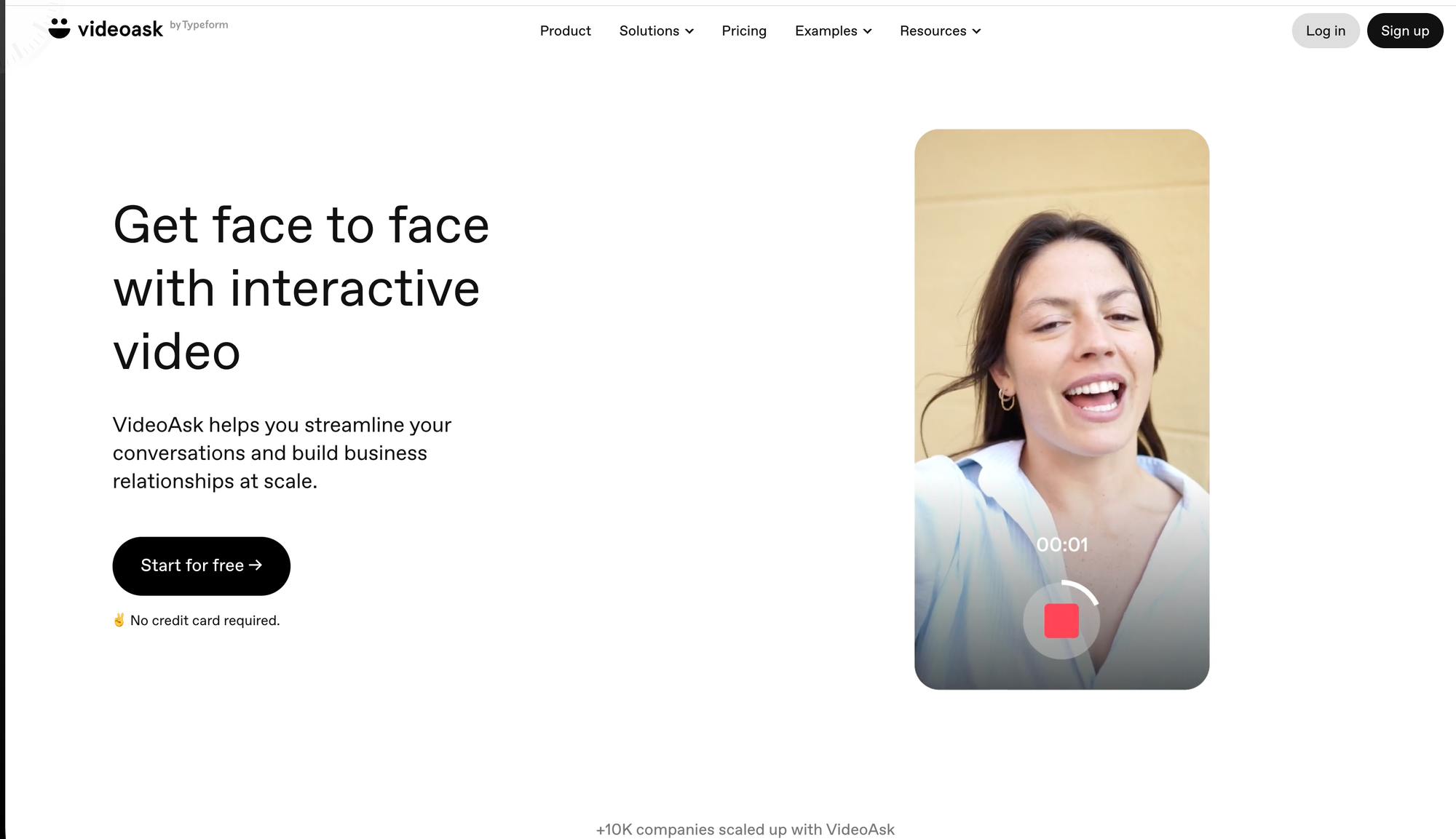
5. VideoAsk
A video-first communication tool that's perfect for collecting video testimonials and recommendations. You send customers a link where they can record video responses to your questions asynchronously.
The interactive format feels personal and engaging, leading to higher response rates and more authentic testimonials. VideoAsk also supports text and audio responses, making it versatile for different customer preferences. It's from the same people as Typeform.
6. LinkedIn Recommendations
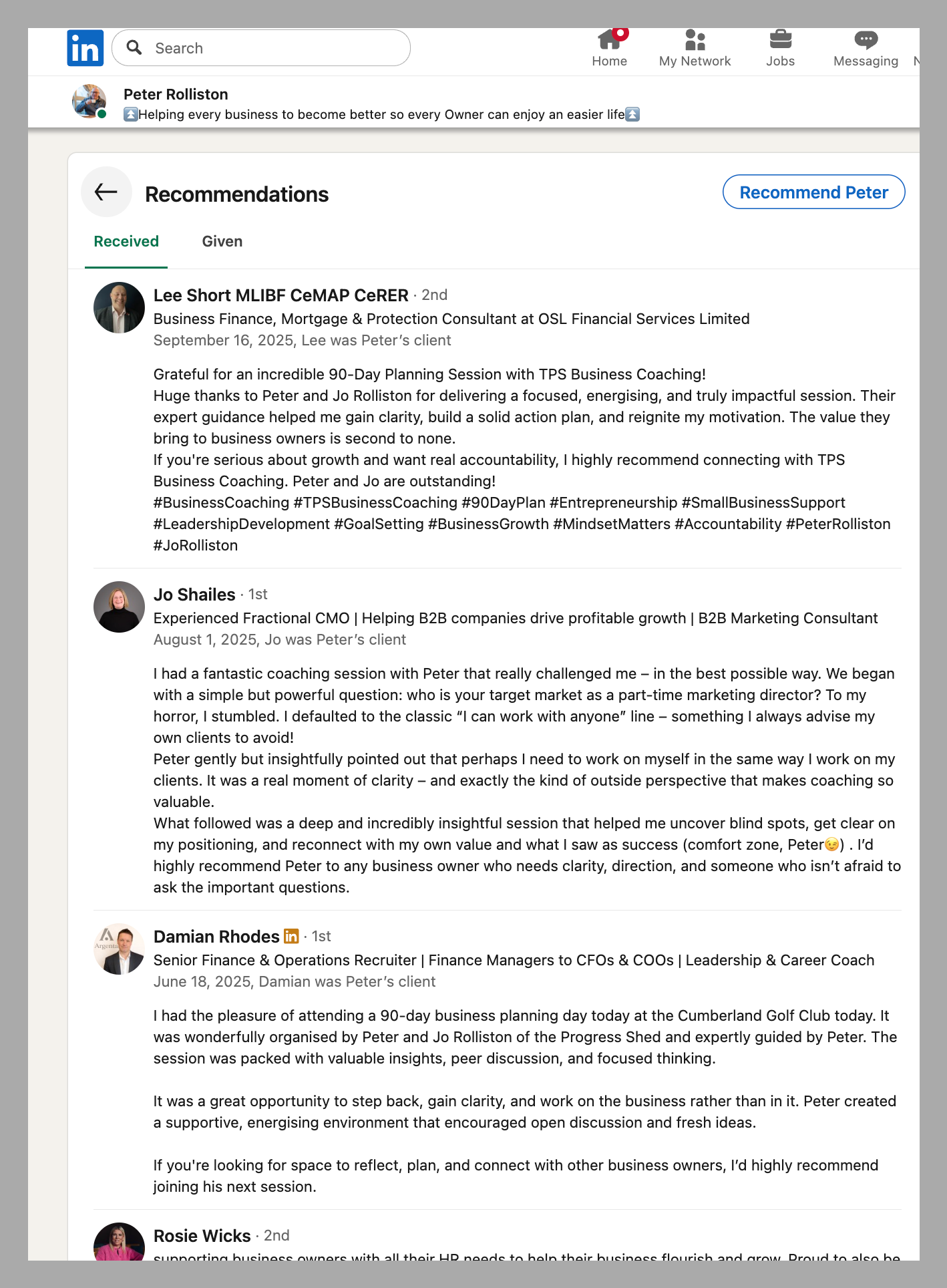
The gold standard for professional and B2B social proof. LinkedIn Recommendations are detailed endorsements written by colleagues, clients, or business partners that appear on your profile. Unlike quick endorsements, these are thoughtful paragraphs that carry significant weight in professional contexts.
They're free, highly visible to your network, and particularly valuable for consultants, agencies, and B2B service providers. Just sent people your link to "recommend you." Here is one for Peter Rolliston for example.
7. Boast
A video testimonial platform built for B2B companies and high-ticket services. Boast provides guided video recording with teleprompter features, professional editing tools, and the ability to add captions and branding automatically. The platform integrates with your CRM and marketing tools, making it easy to identify satisfied customers and request testimonials at the right moment in the customer journey.
8. Birdeye
An enterprise-grade reputation management platform that centralizes review collection across 200+ sites including Google, Facebook, and industry-specific platforms. Birdeye automates review requests via SMS and email, provides sentiment analysis and competitive benchmarking, and helps businesses respond to reviews at scale. It's particularly powerful for multi-location businesses or franchises.
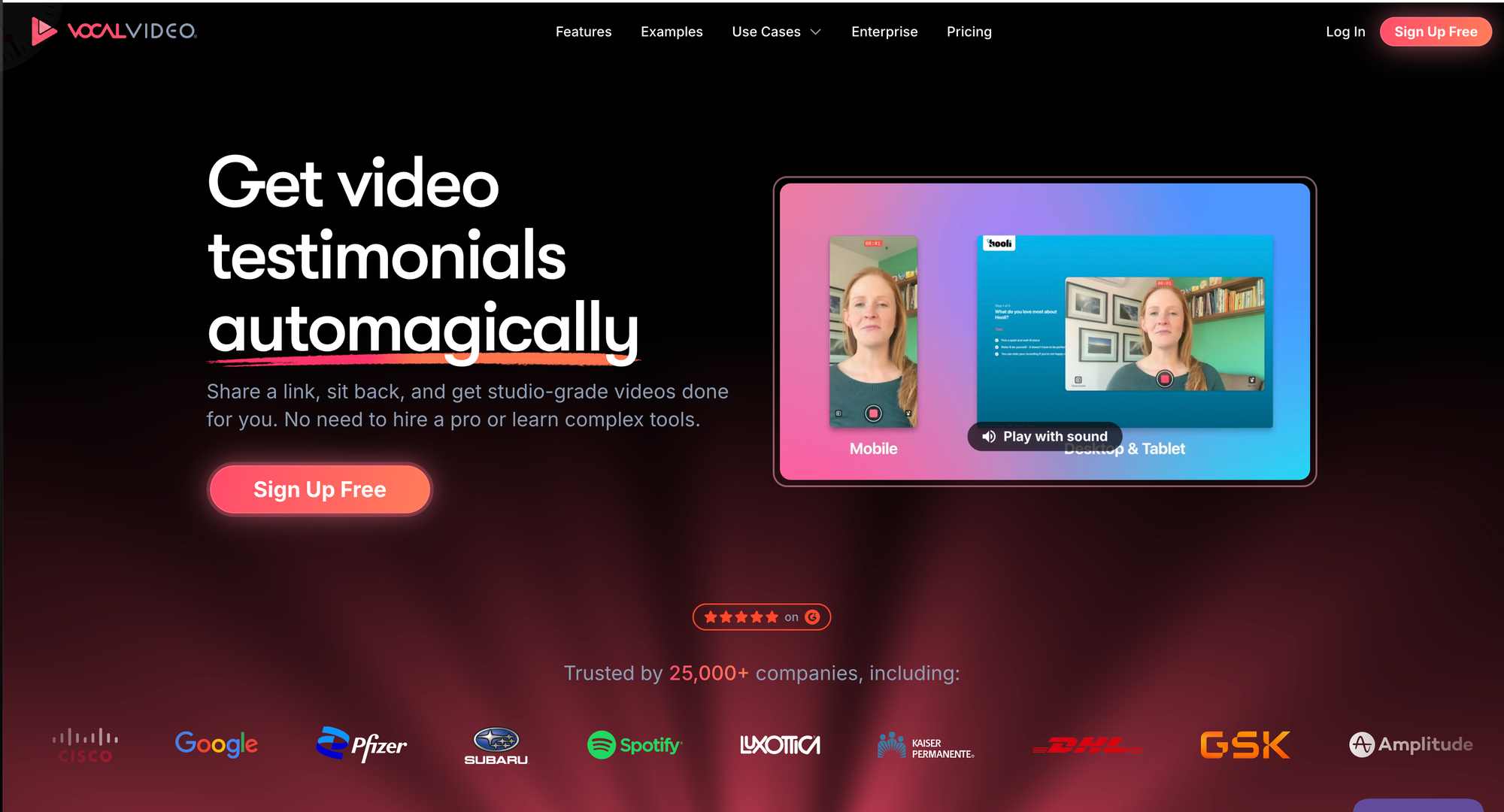
9. Vocal Video
Specifically designed for collecting video testimonials remotely. Vocal Video provides customers with a simple recording interface and includes features like custom branding, question prompts, and automatic video hosting.
The platform is particularly useful for teams who want to collect case study videos, customer stories, or employee testimonials without requiring technical expertise or video editing skills.
10. Endorsal
A comprehensive social proof platform that collects testimonials, case studies, and reviews while also providing analytics on their impact. Endorsal uses AI to identify your best testimonials, suggests optimal placement on your website, and can automatically request reviews from customers based on their behavior and satisfaction signals. The platform integrates with major marketing and sales tools to create a seamless testimonial collection workflow.
The Strategy Behind Collecting Testimonials
Having the right tools is only half the battle. The real art lies in knowing when to ask, how to ask, and what to do with the testimonials once you have them.
When to Ask for Reviews
Timing is everything when it comes to testimonial requests. The ideal moment is immediately after a positive experience or milestone, when satisfaction is at its peak. For a driving school, that's right after someone passes their test, ideally holding their certificate. For a SaaS company, it might be after a customer achieves a specific goal or completes onboarding successfully. For a restaurant, it could be while the meal is still fresh in the customer's mind.
One quick tip - create a Quick Response Code with a link to your chosen referral app and ask people to "Scan & Review" on point of sale.
The key is to identify these "moments of delight" in your customer journey and automate requests to arrive at exactly the right time. Waiting too long means the emotional impact fades, and you'll get lower response rates and less enthusiastic testimonials.
The Multi-Platform Approach
Like the driving school example, many savvy businesses now ask customers to leave reviews on multiple platforms. This isn't greedy—it's strategic. Different reviews serve different purposes: Google Reviews help with local SEO and appear in search results, Facebook reviews reach their social network, and Trustpilot provides independent verification that can be showcased on your website.
However, there's a balance to strike. Asking for reviews on three or four platforms in one go works when the experience was truly exceptional and the request is framed properly. Make it clear why each platform matters, and consider spacing out the requests slightly if you're worried about overwhelming customers.
You might ask for a Google Review immediately, then follow up a week later asking if they'd mind sharing their experience on Trustpilot as well.
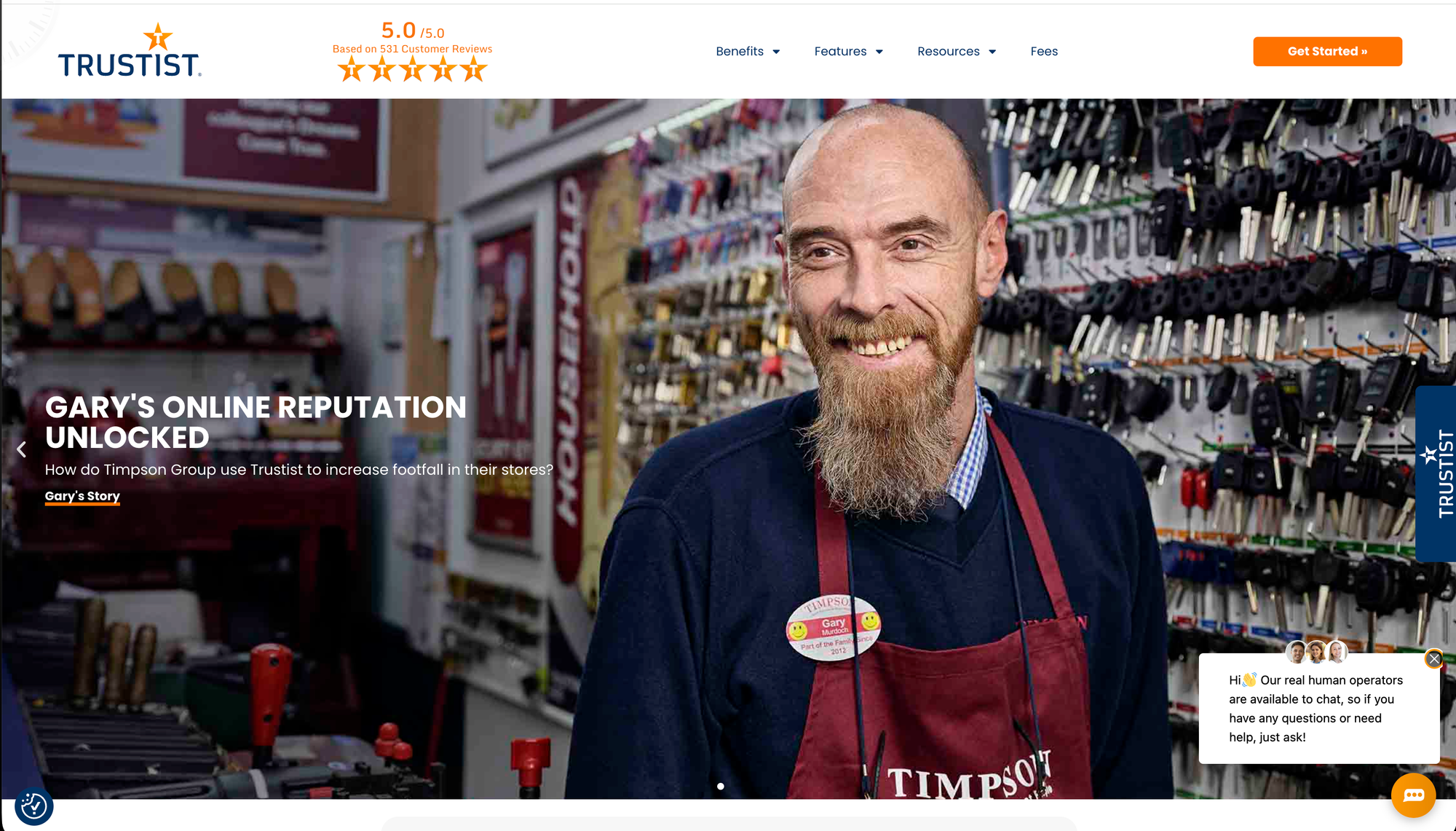
Trustist - the solution
With Trustist you can bring all of your hard-earned reviews together in one place – no matter where they’re from. You can also collect reviews for these sites directly from your white-labelled review screen!
How to Ask: Make It Easy and Personal
The best testimonial requests are personal, specific, and incredibly easy to complete. Instead of a generic "please leave us a review," try something like: "We're so thrilled you passed your driving test! Would you mind taking 2 minutes to share your experience on Google? It really helps other learners find us." Include direct links to your review pages so customers don't have to search for you.
For video testimonials, provide specific questions or prompts. People often freeze when faced with a blank recording screen, but they'll happily answer "What was your biggest challenge before working with us?" or "What surprised you most about our service?"
The Reward Question: Incentives and Ethics
Should you reward people for leaving reviews? This is where things get nuanced. Many platforms, including Google, explicitly prohibit incentivizing reviews, and offering rewards in exchange for positive reviews is considered unethical across the board.
However, you can reward the act of leaving feedback without tying it to the review's sentiment. For example, entering everyone who leaves a review into a prize draw, offering a small discount on future purchases regardless of what they wrote, or making a donation to charity for each review received. The key is that the incentive cannot be conditional on the review being positive.
For B2B contexts, reciprocity often works better than tangible rewards. If you write a LinkedIn Recommendation for someone, they're naturally inclined to return the favor. Offering to feature customers in a case study or on your website can also be its own reward, providing them with exposure and credibility.
Many businesses find that the best approach is simply to make the ask genuine and explain the impact: "Your feedback helps other families find a great driving school" is often more motivating than a £5 discount.
Displaying Reviews on Your Website
Collecting testimonials is only valuable if you display them effectively. The best practices include:
Strategic placement: Don't bury testimonials on a dedicated page that no one visits. Feature them prominently on your homepage, pricing pages, and anywhere prospects are making decisions. Studies show that testimonials near call-to-action buttons can significantly increase conversion rates.
Variety and authenticity: Mix formats—text testimonials, star ratings, video testimonials, and social media posts. Include the reviewer's full name, photo, company, or relevant details that add credibility. Generic testimonials from "John S." feel fake, even when they're real.
Address objections: Place testimonials strategically to counter common objections. If price is a concern, showcase testimonials that mention value for money. If customers worry about implementation, feature reviews praising your support team.
Keep them fresh: Rotate testimonials regularly and prioritize recent ones. A wall of testimonials from 2019 suggests your business might not be doing well anymore. Aim to continuously collect and display new social proof.
Aggregate scores: Display your overall rating from Google, Trustpilot, or other platforms prominently. A "4.8 stars from 247 reviews" badge provides immediate credibility and encourages visitors to read more.
Make them scannable: Use star ratings, pull out key quotes in larger text, and keep written testimonials concise. Visitors skim, so make your social proof impossible to miss.
The SEO Impact of Testimonials
Testimonials and reviews don't just build trust with visitors—they can significantly boost your search engine rankings. Here's how authentic customer feedback impacts your SEO:
Fresh, User-Generated Content
Search engines love fresh, unique content, and customer reviews provide exactly that. Every new testimonial adds original text to your website, signaling to search engines that your site is active and regularly updated. This is particularly valuable because the content is naturally diverse—different customers use different phrases, questions, and terminology to describe your products or services, which helps you rank for long-tail keyword variations you might never have written yourself.
Local SEO and Google Reviews
For local businesses, Google Reviews are arguably the most powerful SEO tool available. Google Reviews directly influence your local pack rankings (those map results that appear at the top of local searches). The quantity, quality, recency, and velocity of reviews all factor into Google's local search algorithm. Businesses with more reviews and higher ratings consistently outrank competitors in local searches. Google also displays review snippets and star ratings directly in search results, which dramatically increases click-through rates even if you're not ranked #1.
Rich Snippets and Star Ratings
When properly marked up with schema.org structured data, testimonials and reviews can generate rich snippets in search results—those eye-catching star ratings that appear under your listing. These stars make your result stand out visually from competitors and can increase click-through rates by 15-35%. This increased engagement sends positive signals back to Google, potentially improving your rankings further.
Keyword Diversity and Natural Language
Customers describe their problems and your solutions in real, conversational language. A software company might describe their product as "project management tool," but customers might review it as "the app that finally got our team organized" or "saved us from email chaos." These natural phrases often match exactly how other potential customers are searching, helping you rank for search queries you wouldn't have optimized for otherwise.
Trust Signals and Dwell Time
While indirect, testimonials impact important ranking factors. When visitors see authentic reviews on your site, they're more likely to stay longer, explore multiple pages, and engage with your content—all signals that tell search engines your site provides value. Lower bounce rates and higher dwell time correlate with better rankings.
Review Velocity Matters
The frequency of new reviews affects both rankings and credibility. A steady stream of recent reviews signals that your business is active and currently satisfying customers. A burst of reviews followed by months of silence can look suspicious to both search engines and potential customers. Aim for consistent review generation rather than sporadic campaigns.
Third-Party Review Platforms
Reviews on platforms like Trustpilot, Yelp, Facebook, and industry-specific sites create valuable backlinks and brand mentions across the web. When people search for "[your business name] reviews," these platforms often rank highly, occupying valuable real estate in search results. Positive reviews on these platforms don't directly boost your website's rankings, but they influence the overall search experience and click-through decisions.
Review Response and Engagement
Responding to reviews—both positive and negative—adds even more unique content and demonstrates active business management. Google has confirmed that responding to reviews can positively impact local search rankings. It also shows potential customers that you're engaged and care about customer experience, which improves conversion rates from search traffic.
The Negative Review Consideration
Interestingly, having only 5-star reviews can actually hurt credibility. Search engines and consumers alike are savvy enough to be suspicious of perfect scores. A mix of ratings with mostly positive reviews (4.3-4.8 average) often performs better than a perfect 5.0, as it appears more authentic. The key is having enough positive reviews to outweigh the occasional negative one, and responding professionally to criticism.
Schema Markup Is Essential
To maximize SEO benefits, implement proper review schema markup on your website. This structured data tells search engines exactly what your testimonials are and enables rich snippets in search results. Most testimonial tools provide this automatically, but if you're displaying reviews manually, you'll need to add the schema code yourself.
The bottom line: testimonials and reviews have become an essential part of modern SEO strategy. They're one of the few ranking factors that directly combine technical SEO (structured data), content creation (user-generated text), local SEO signals, and user experience metrics—all while building the trust and credibility that converts searchers into customers.
Conclusion
People want to know that someone like them has already made a purchase, and are happy. It's really that simple.
Whether you're a local driving school asking satisfied students to share their success, a B2B software company gathering LinkedIn recommendations, or an e-commerce brand building a wall of video testimonials, the strategy remains the same: make it easy for happy customers to share their experiences, ask at the right moment, and display that social proof where it matters most.
Start with one or two tools from this list that align with your business model and customer journey. Set up automated review requests triggered by positive milestones. Implement proper schema markup to capture those valuable star ratings in search results. And most importantly, make testimonial collection an ongoing process, not a one-time campaign.
Your customers' stories are waiting to be told. Give them the platform, and let their authentic voices do the selling for you.
Here are all the URLs for the tools and platforms mentioned in the article:
- Google Reviews - https://www.google.com/business/
- Trustpilot - https://www.trustpilot.com/
- Testimonial.to - https://testimonial.to/
- Senja - https://senja.io/
- VideoAsk - https://www.videoask.com/
- LinkedIn - https://www.linkedin.com/
- Boast - https://www.boast.io/
- Birdeye - https://birdeye.com/
- Vocal Video - https://www.vocalvideo.com/
- Endorsal - https://www.endorsal.io/
- Trustist - https://trustist.com/
If you need help with implementing these then just call me by using my website link.